Ledger brings Clear Signing to Solana, starting with Jupiter
Ledger, the global leader in secure infrastructure for digital ownership, has announced the arrival of Clear Signing on Solana at Solana Breakpoint. The new capability gives users a clear, human-readable breakdown of DeFi transactions before they approve them on their Ledger signers, starting with Jupiter.
The improvement is tangible: a Jupiter swap that previously required thirteen approval screens can now be completed in just three. Each screen clearly shows what goes out, what comes in and what the transaction does. The implementation has been validated offline against approximately 57,000 real transactions across 40 Solana programs.
Clear Signing is available across Ledger signers and can be integrated into any wallet built on Ledger’s Device Management Kit (DMK).
Jupiter, one of Solana’s leading decentralized trading platforms, is the first supported dApp, with Kamino and others to follow. Solana transactions can bundle a dozen or more instructions, often involving multiple programs, making them difficult to understand and verify. Clear Signing groups related instructions into a single, human-readable summary, so users can understand what a transaction actually does before approving it. They no longer have to choose between navigating a confusing series of approval screens and blind-signing transactions to access DeFi.
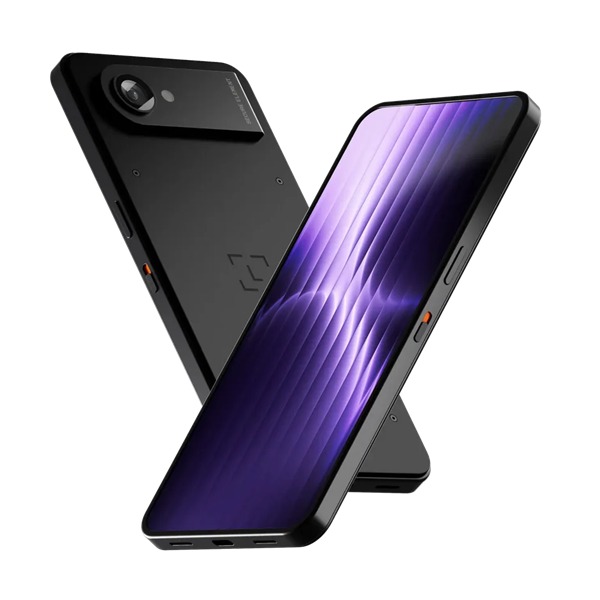
The announcement builds on Ledger’s broader collaboration with the Solana ecosystem. Recently unveiled at Ledger Op3n, Ledger Atom is Ledger’s next-generation security and privacy device, bringing everyday apps and hardware-backed security together in one device. As Solana Mobile’s first hardware expansion partner, Ledger will bring the Seeker app and the full Solana dApp Store preloaded to Ledger Atom, with Ledger OS handling key management. The Solana dApp Store includes 1500+ dApps available today on Seeker, spanning trading, payments, gaming, AI, and more. Powering it all is SKR, Solana Mobile’s native asset, designed to reward participation across the Solana Mobile ecosystem.
“Approving a transaction you can’t read is like signing a blank check. Clear Signing ends that. It shows you exactly what leaves your wallet and what you receive on the secure screen of your Ledger signer, where you approve it. We’re proud to bring Clear Signing to Solana as part of our broader initiatives: Clear Signing on all Solana transactions, the Solana dApp Store and Seeker experience on Ledger Atom, and security for the AI agents that will increasingly transact on-chain. Wherever Solana goes next, our goal is the same: users stay in control,” said Ian Rogers, Chief Human Agency Officer at Ledger.
“Security and transparency are essential to building trust and bringing the next wave of users onchain. Clear Signing gives users greater confidence and control by making complex transactions easier to understand before they approve them. We’re pleased to see Ledger bring this experience to Solana, building on open standards and collaboration across the ecosystem. Innovations like this help make Solana safer and more accessible for everyone, from everyday users to institutions,” said Dragan Zurzin, Technical Program Lead, Ecosystem Engineering, Solana Foundation.
“The best security is the kind people actually use. Thirteen screens of unreadable data trained people to click through. Three screens of plain English trains them to check. With Clear Signing, users get better security and more trust, which in turn means users can trade more often and with more size. Partnering with Ledger to be first on Solana with Clear Signing is one of the most direct ways we can earn that trust,” said Kash Dhanda, COO at Jupiter.
Bringing human control to AI-driven transactions
Clear Signing is one part of Ledger’s broader work to bring security and human control to the agent economy. With Ledger Agent Intent, already live, AI agents can research, analyse and prepare transactions on behalf of users, while private keys remain protected in Ledger’s secure hardware. Agents can only move funds with user approval or within rules the user has already established.
On Solana, Ledger is starting with pay.sh, which allows AI agents to pay for APIs in stablecoins, with settlement in seconds and transaction fees of a fraction of a cent. Ledger Agent Intent brings requests from different agents together in one place, allowing them to continue working while users review and decide what to approve. Combined with Clear Signing, this gives users visibility into what their agents are asking them to do, with final approval taking place on a trusted Ledger device and its secure screen.
Making onchain activity safer
Blind signing remains a significant barrier to broader institutional adoption. Treasuries, funds and other established players need to understand and verify transactions before committing capital. They cannot afford to approve transactions whose contents they cannot read. As AI makes attacks cheaper to launch and harder to detect, the risks of blind approval become even greater. Clear Signing addresses this vulnerability at the point of approval, giving users the information they need to make informed decisions.
Clear Signing translates raw blockchain data into clear, human-readable information displayed directly on a Ledger signer’s secure screen. Instead of being asked to approve a string of program IDs, accounts and bytes, users can see what a transaction will actually do before signing: the action being taken, the assets going in and the assets coming out.
Built on open standards
Clear Signing on Solana builds on sRFC 39, a draft standard in the Solana Foundation’s sRFC repository for describing blockchain transactions in plain language. Ledger reviewed the standard with secure-screen implementation in mind and proposed sRFC 41, an extension that allows wallets to group related instructions into a single, human-readable intent. Developed by Anza, a software development and research firm dedicated to building core infrastructure for the Solana blockchain ecosystem, and extended by Ledger, this work is now shipping in its first production implementation.
This builds on Ledger’s earlier work on Ethereum, where it initiated ERC-7730, a format that defines how wallets can present smart contract calls in plain language. Ledger subsequently transferred stewardship of the standard to the Ethereum Foundation to support broader adoption across the ecosystem.
The Solana implementation brings the same approach to Ledger signers, including Ledger Atom, scheduled to ship in summer 2027. It also supports other devices through compact, signed static descriptors and the Device Management Kit (DMK).
For builders
Developers who want their Solana programs to support Clear Signing on Ledger can publish a Codama IDL. Wallets can bring Clear Signing to their users by integrating the DMK.